
A shield against disinformation: how communities in Moldova are learning to recognise manipulation
In an era when information – including false and manipulative content – spreads at the speed of a click, the ability to think critically is no longer simply an advantage. It has become an essential skill for staying safe and resilient in the digital space.
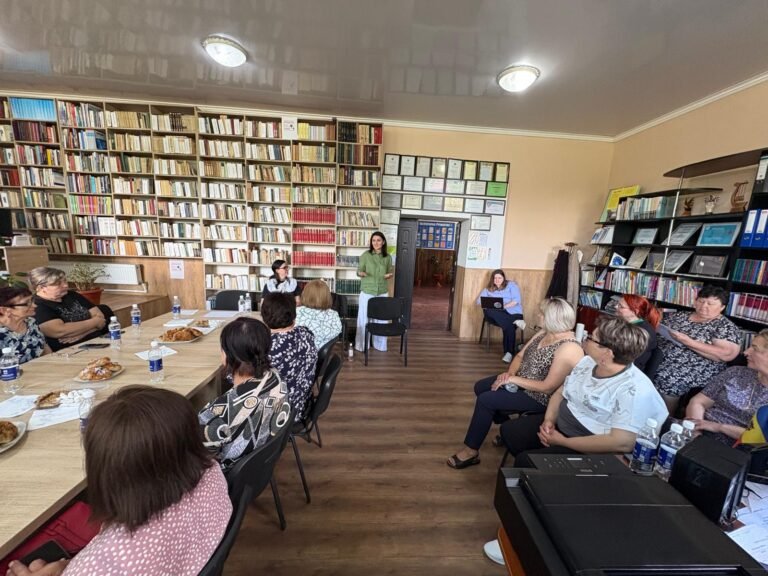
To support citizens in navigating today’s complex information environment, Transparency International Moldova is implementing a series of practical workshops focused on media literacy and information verification. The initiative is built on a simple but essential principle: verified information reaches citizens more effectively and persuasively when it is delivered by people whom communities already trust.
Following an initial training phase that involved 500 representatives of local public authorities, 20 localities across the districts of Drochia, Soroca, Rîșcani, Ocnița, Taraclia, Cantemir, Cahul, Briceni, Edineț, Dondușeni and UTAG were selected to host community-based activities tailored to local needs and contexts.
As part of the project, district council communicators and mayors who participated in the training sessions became facilitators themselves, organising workshops within their communities.
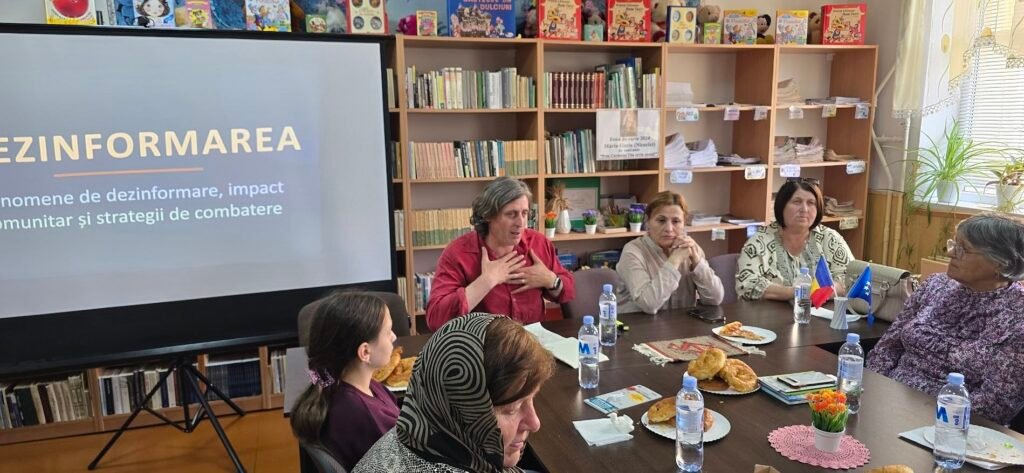
The workshops are designed as interactive sessions centered on the practical use of knowledge. Participants learn how to identify credible sources of information, recognize the main mechanisms through which disinformation spreads, and use simple fact-checking techniques before sharing information within their communities or online.
To broaden the impact of the activities and encourage dialogue with diverse audiences, the project also engaged content creators. In Drochia, Vania Băț spoke with participants about individual responsibility when sharing information online and the consequences of spreading false content. In Soroca, the activities were held together with podcaster Titania, with discussions focusing on the role of community leaders in promoting verified information and countering information manipulation.
Workshop discussions highlighted an important feature of the local information ecosystem: the high level of trust citizens place in community leaders. In small communities, information shared by mayors, school principals, and other authority figures is often perceived as credible by default.
“In small communities, people trust individuals such as the school principal or the mayor. Many do not even read the information to the end, but if it has been shared by someone they trust, they consider it truthful,” says Ala Baran, director of the kindergarten in Schineni commune, Soroca.
This reality underscores the importance of strengthening communication and information verification skills among local leaders, who can play a decisive role in preventing the spread of manipulative content.
“The mayor’s office plays an important role in combating disinformation because it is a trusted source of information for citizens. When people are informed correctly, they become not only beneficiaries but also partners in implementing local development projects,” says Silvia Leșan, Mayor of Schineni commune.
By investing in the skills of community leaders and equipping citizens with practical tools for critically evaluating information, the project strengthens society’s capacity to respond to the challenges posed by disinformation and contributes to building more informed, resilient, and engaged communities.
Trending Post
CICD (c) 2024