
From villages to nationwide impact: Association of Independent Press strengthens resilience to disinformation in Moldova
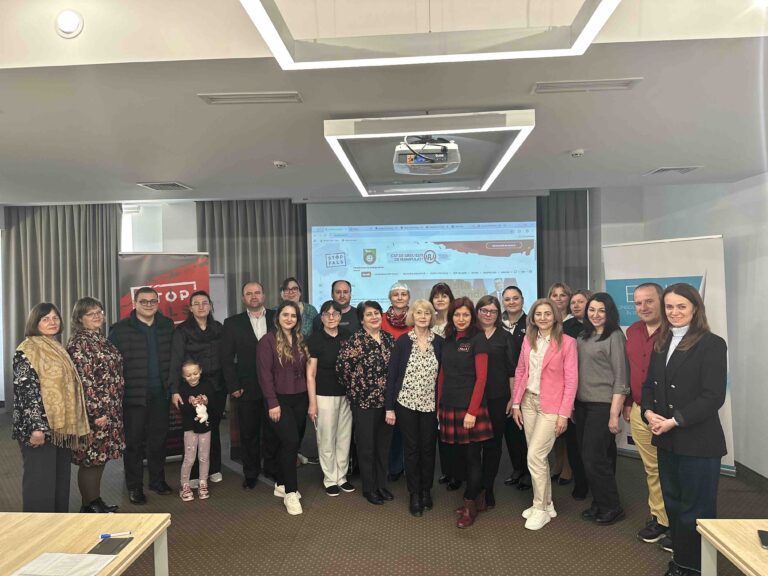
Around 90 workshops on preventing and countering disinformation brought together more than 1,600 participants of different ages and professional backgrounds across the Republic of Moldova, marking key results of a project implemented by the Association of Independent Press (API), aimed at building a more informed and resilient society in Moldova through sustained engagement and local partnerships.
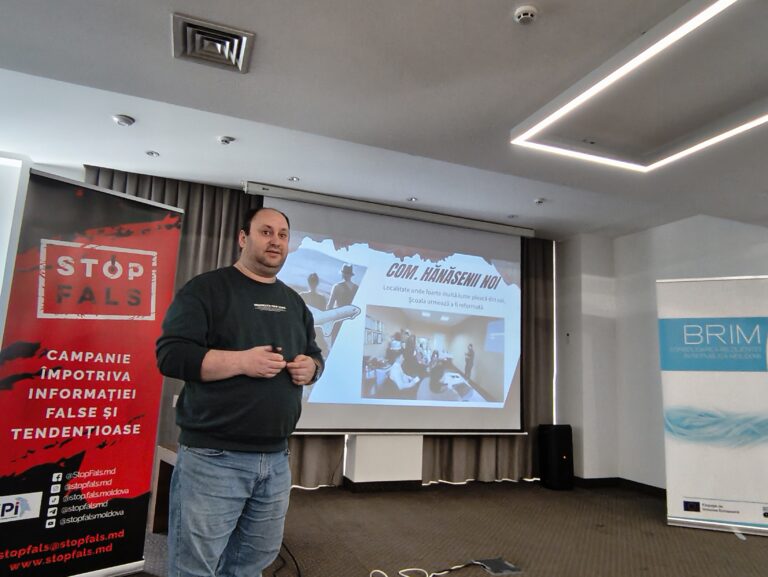
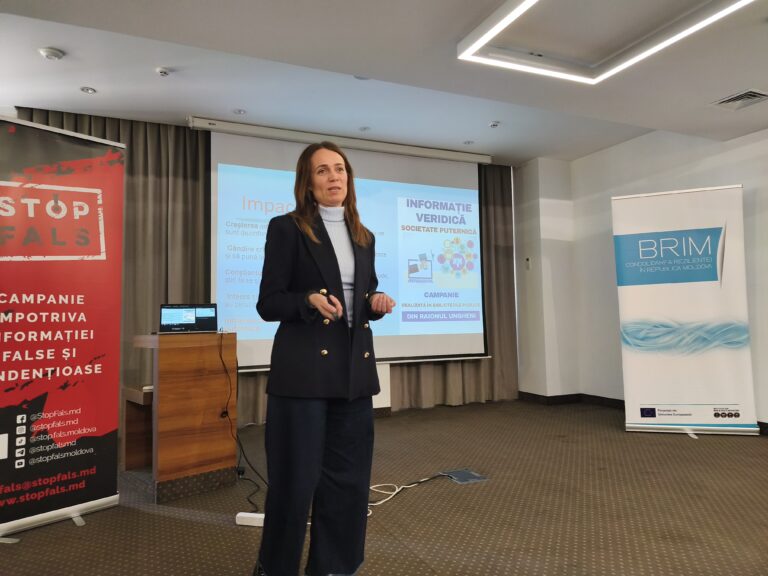
Over the course of nearly a year, activities were carried out nationwide – from north to south and east to west – with the support of approximately 30 regional collaborators of the STOP FALS!/StopFals.md campaign. These collaborators, including teachers, librarians, and journalists, played a crucial role in engaging local communities through interactive discussions and awareness sessions.
In March alone, around 20 meetings were held in villages and towns such as Slobozia-Chișcăreni, Ungheni, Niorcani, Bașcalia, Bahmut, Pivniceni, and many others. These sessions created space for open dialogue with media consumers, helping them better understand how disinformation works and how to identify and resist manipulative content.
Reflecting on the impact of these activities, regional collaborators from Glodeni district, Olga Vișchiu and Olesea Cazacu, noted that “through these workshops, we did not only provide useful information to participants, but also helped install a critical filter in their thinking. As a result, we believe communities will become more informed, more responsible, and more resilient to information manipulation.”
At the same time, Irina Pînzari, a STOP FALS regional collaborator who conducted workshops in Soroca district, highlighted the importance of multiplying this knowledge at community level. She encouraged participants to become “media literacy ambassadors” within their own families, helping relatives critically analyse everything they encounter online.
A practical leaflet titled “What is disinformation and how to protect ourselves from it” was also developed in Romanian and Russian and distributed widely across dozens of localities, further extending the project’s outreach.
The project concluded with a wrap-up workshop attended by over 20 regional collaborators, highlighting the collective effort behind the initiative and its impact at the grassroots level.
Trending Post
CICD (c) 2024